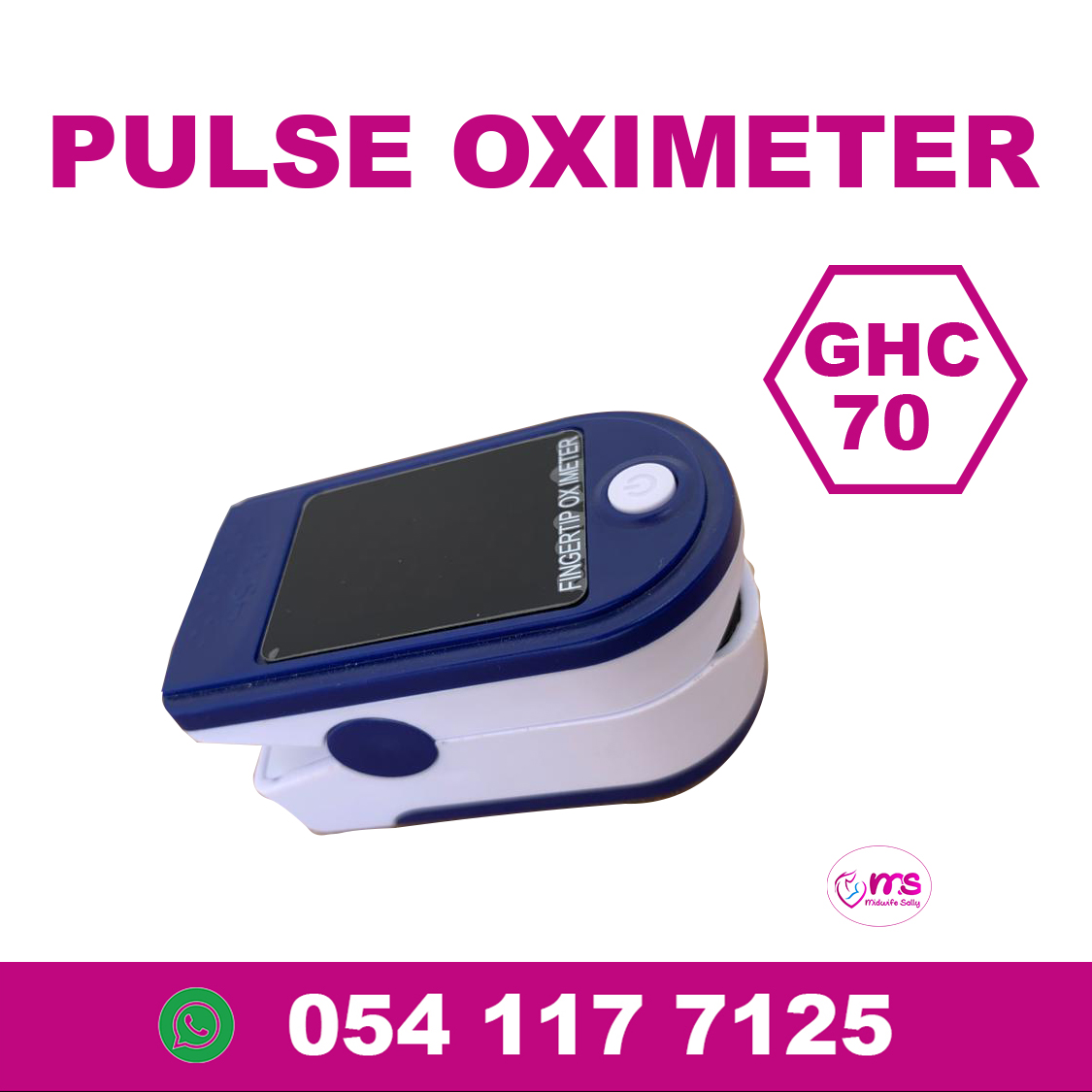
Description
A pulse oximeter is a small, non-invasive device, usually clipped to the fingertip, that measures blood oxygen saturation (SpO2) and heart rate. It uses light absorption to detect how well oxygen is being transported throughout the body. Generally, a normal reading is 95%–100%, while readings below 92% may indicate potential, serious, low-oxygen health issues.
Key Features and Usage:
- How it Works: The device emits light through the skin to measure oxygenated vs. deoxygenated blood.
- Optimal Readings: A healthy person usually has a resting oxygen saturation level between 95% and 100%.
- What it Measures:
-
Oxygen saturation percentage.
- HR: Heart rate or pulse.
-
- How to Use: Place on a finger (ensure hands are warm and clean), hold still, and wait 30 seconds for the reading to stabilize.
- Factors Affecting Accuracy: Poor circulation, cold hands, nail polish, and artificial nails can lead to false, low readings.
Yale Medicine +6
When to Seek Medical Help:
Contact a healthcare provider if oxygen saturation drops below 92%, or immediately if it falls to 88% or lower.
Contact a healthcare provider if oxygen saturation drops below 92%, or immediately if it falls to 88% or lower.
Note: The results are not intended to replace professional medical advice.