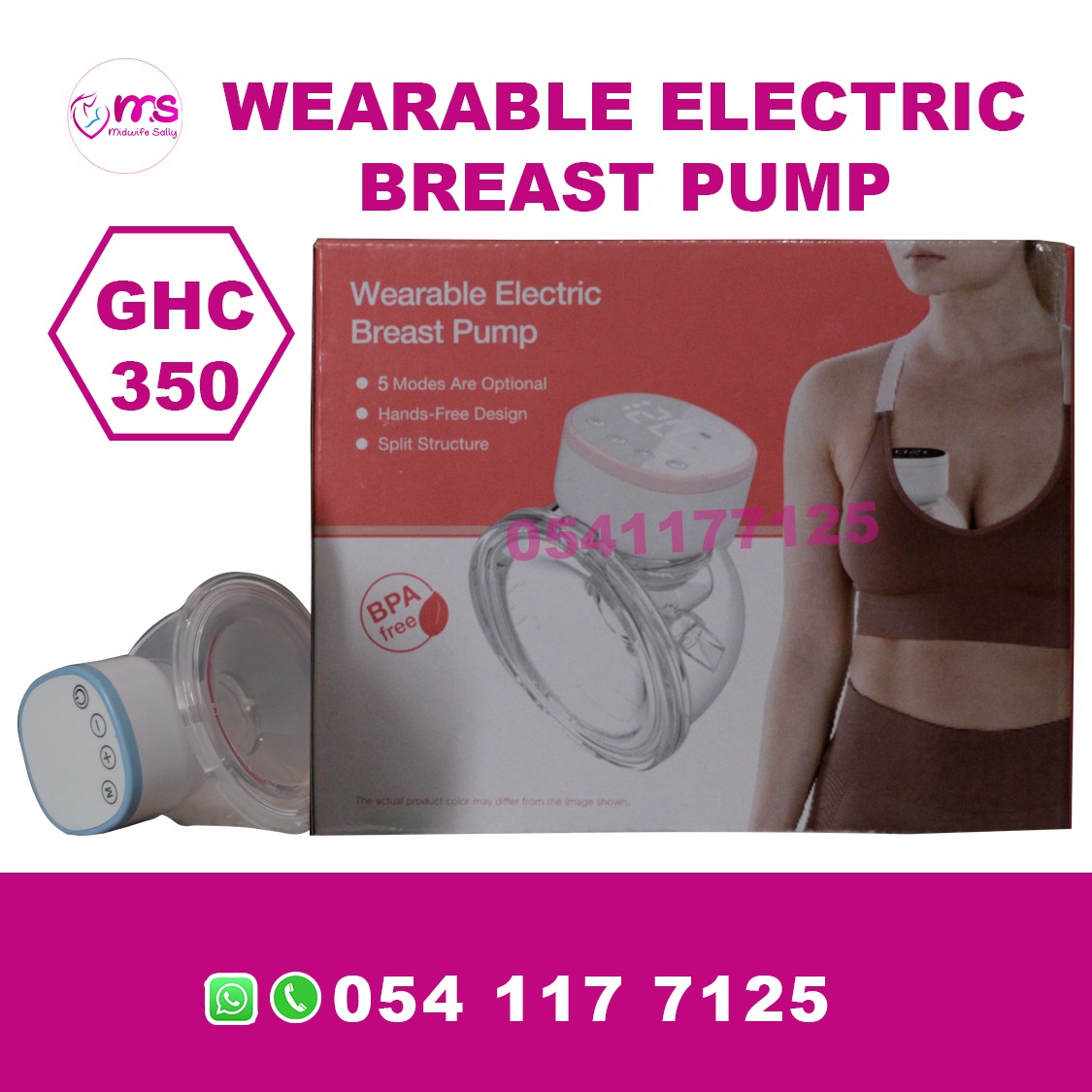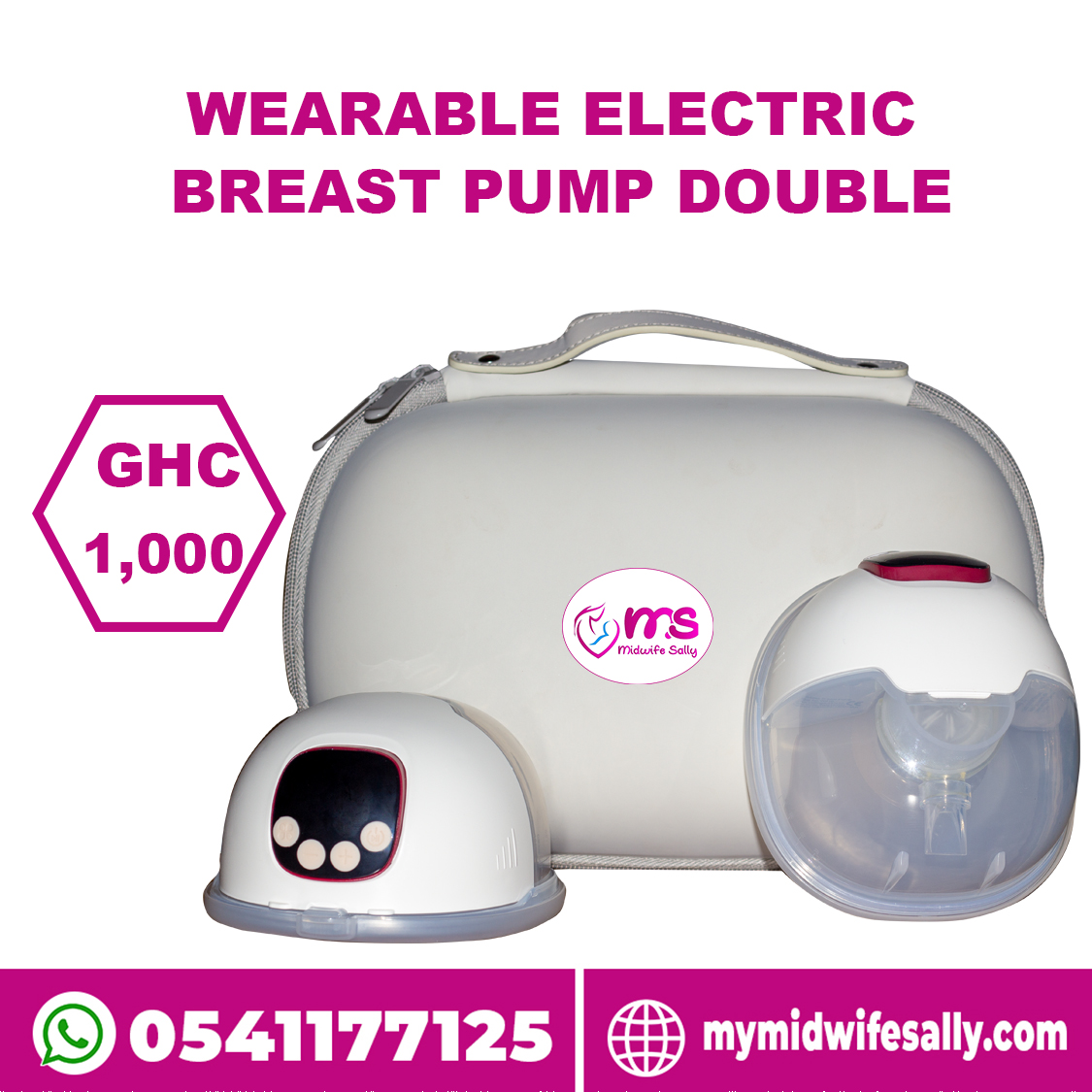
Wearable double electric breast pumps offer hands-free, cord-free milk expression, featuring, typically, 3–4 modes and 9–15 suction levels for personalized comfort. These portable devices fit inside a nursing bra, often with quiet motors (<30–50dB) and USB-rechargeable batteries for on-the-go use. Key options include Elvie, Medela Freestyle, and various, often, 150-180ml capacity models.
Key Features and Benefits
- Convenience: Designed for multitasking at home or work with no external cords or tubes.
- Performance: Offers hospital-grade suction (around 280-300mmHg) and multiple modes (stimulation/expression).
- Comfort & Fit: Includes multiple flange sizes (e.g., 17/19/24mm) to prevent discomfort.
- Design: Compact, lightweight, and often features a leak-proof/anti-backflow system.
- Technology: Some models offer app connectivity to track milk volume.
Available Options (Based on Regional Market Availability)
- Elvie Wearable Breast Pump: Known for silent operation and smart features.
- Medela Freestyle Hands-free: Features a unique anatomical design.
- Generic Wearable Pumps: Often listed on platforms like Ubuy with 3 modes and 9 levels, or 4 modes and 15 levels.
- Capacity: Common capacities range from 150ml to 180ml.
Considerations
- Price: Prices can range from high-end options like Elvie to more affordable alternatives.
- Maintenance: Generally, these pumps have a few washable components, usually BPA-free silicone.
- Battery: Most feature built-in, rechargeable batteries, often lasting around 2 hours.